AI Photography Prompts
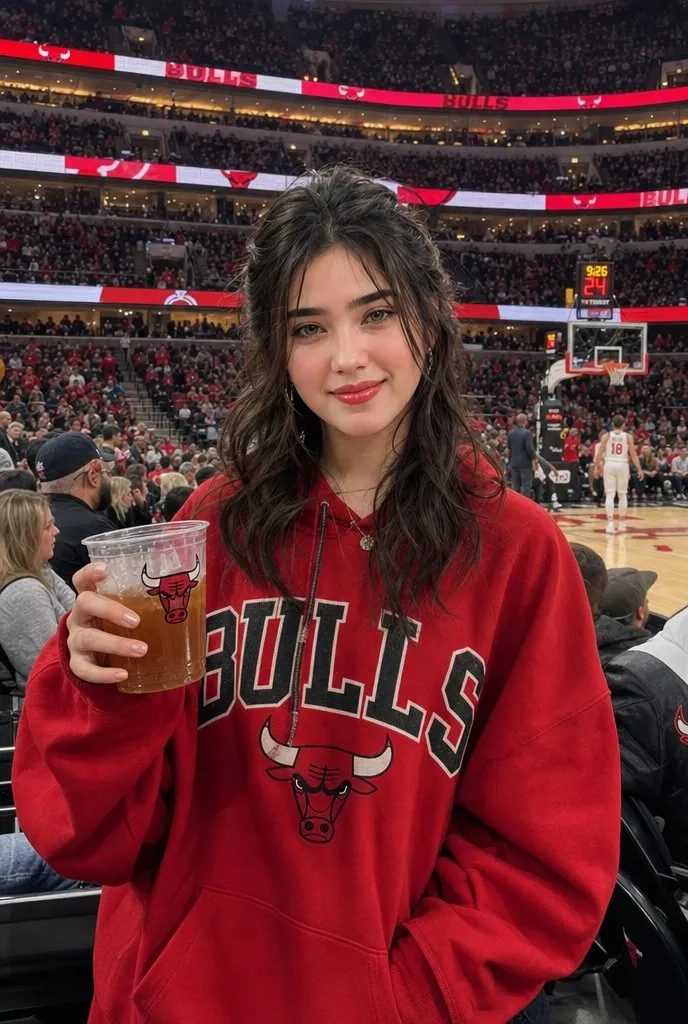
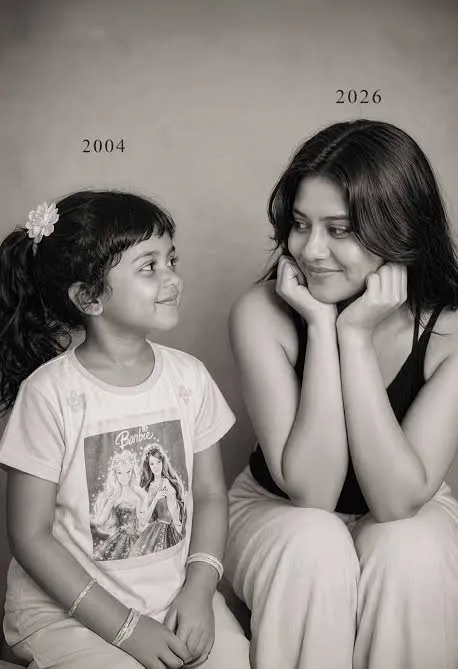
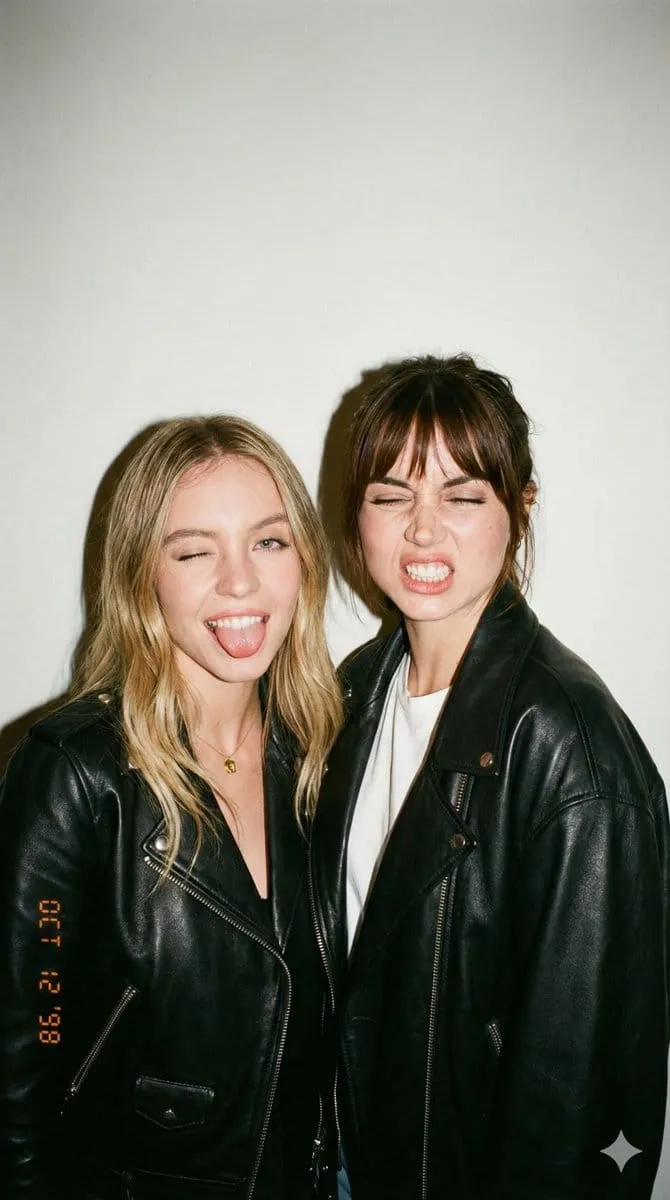
Generate photorealistic images indistinguishable from real camera shots. Our curated photography prompts cover portrait, street, landscape, fashion, and documentary photography — complete with lens specifications, lighting setups, film stock references, and color grading instructions that AI models understand natively. Each prompt is tested with GPT Image 2 and includes the exact camera settings, focal length, aperture, and post-processing style needed to reproduce the result. Whether you need editorial headshots, moody street scenes, or golden-hour landscapes, these copy-paste prompts deliver professional-quality results immediately.
How to Write AI Photography Prompts
Tips to get better results in this category.
Specify Lens & Camera Body
AI models respond well to real camera references. "Shot on Sony A7IV with 85mm f/1.4 GM" produces different bokeh and rendering than "Canon 5D Mark IV with 35mm f/1.4". Include focal length for composition control.
Describe Lighting Like a DP
Use cinematographer language: "Key light at 45° camera-left, soft fill from a 4x4 silk, negative fill camera-right for contrast." The more specific your lighting direction, the more controlled the output.
Include Film Stock or Color Science
"Kodak Portra 400 color science" gives warm skin tones. "Fujifilm Provia" gives vivid saturation. "CineStill 800T" gives tungsten halation. These references dramatically shift the mood.
Set Environment & Time of Day
"Golden hour, 15 minutes before sunset, long shadows" is far more effective than "good lighting". Include weather (overcast, hazy, misty) and location specifics for authentic atmosphere.
Define Composition Rules
Reference composition techniques by name: rule of thirds, leading lines, frame-within-frame, negative space. AI models trained on photography datasets understand these conventions.
Prompt Breakdown
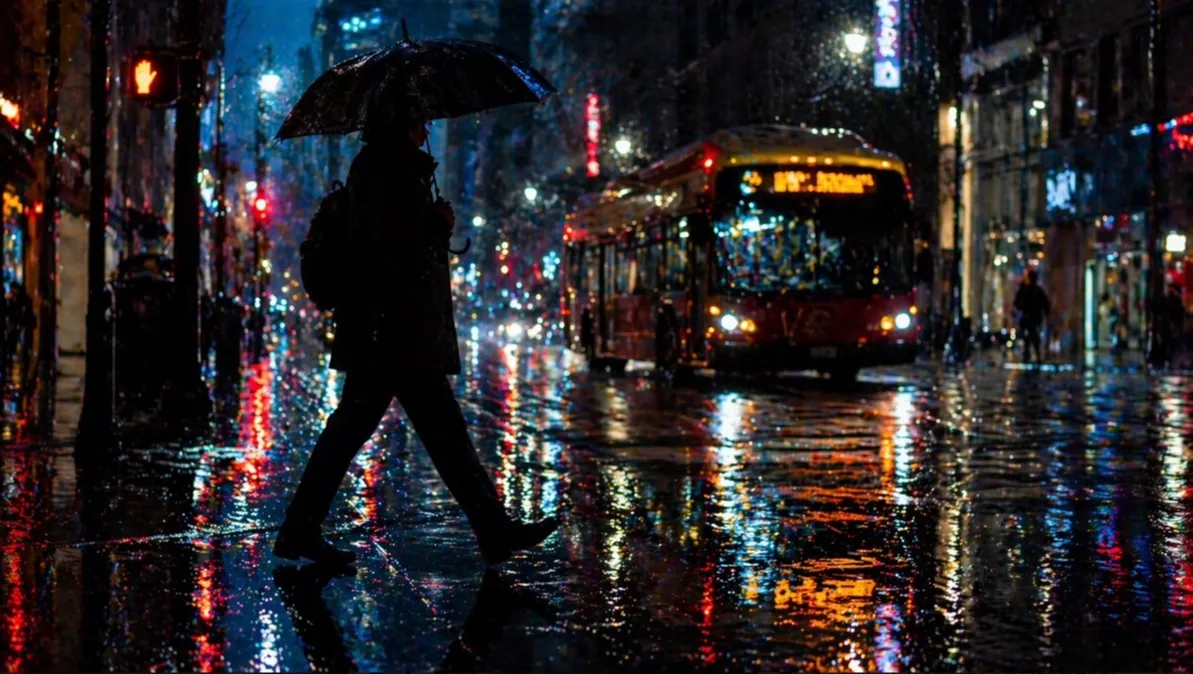
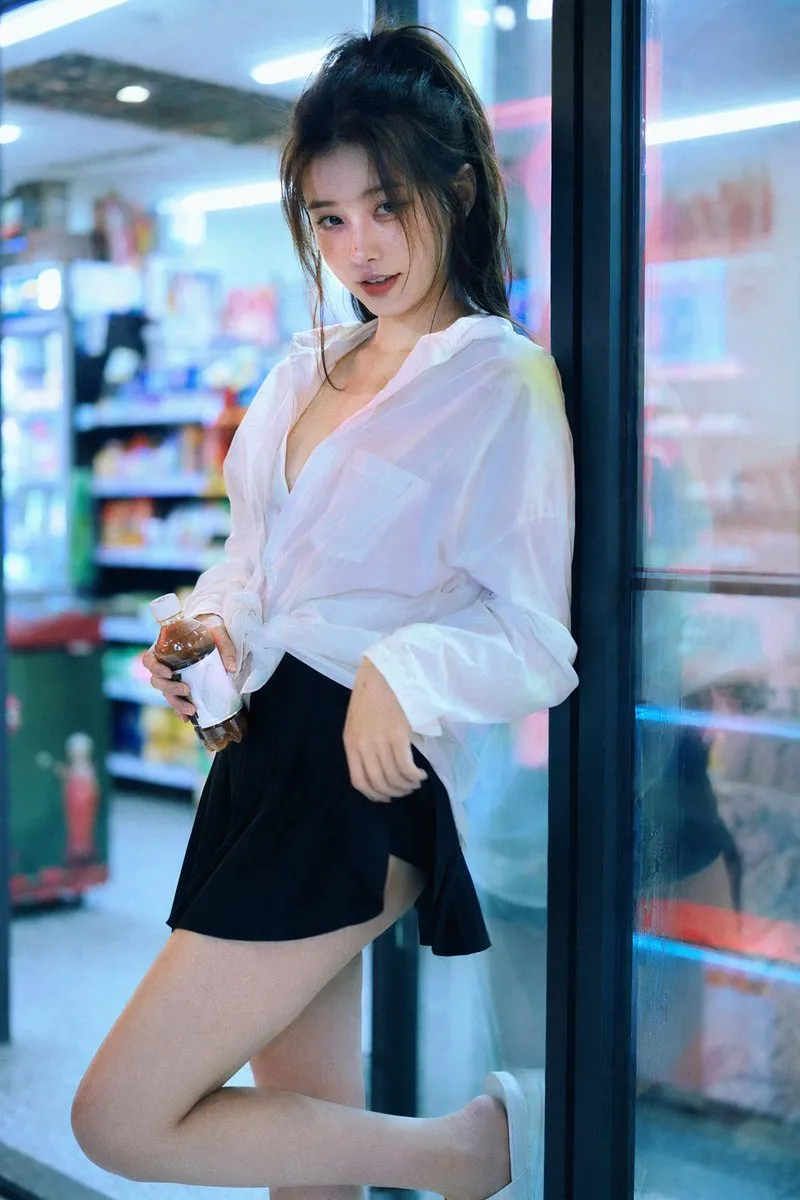
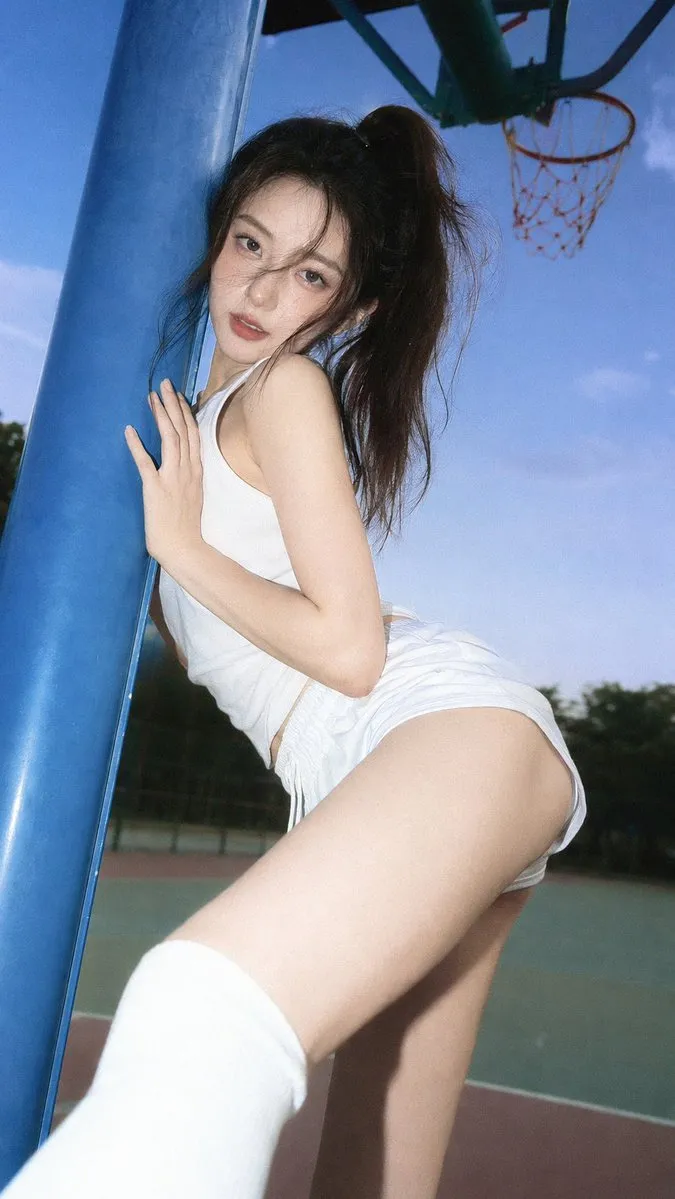
This prompt works because it combines specific lighting (neon store signs as practical light source), a clear mood (urban nightlife), camera specs (35mm f/1.4 wide open), and environmental context. The AI has strong training data for this aesthetic.
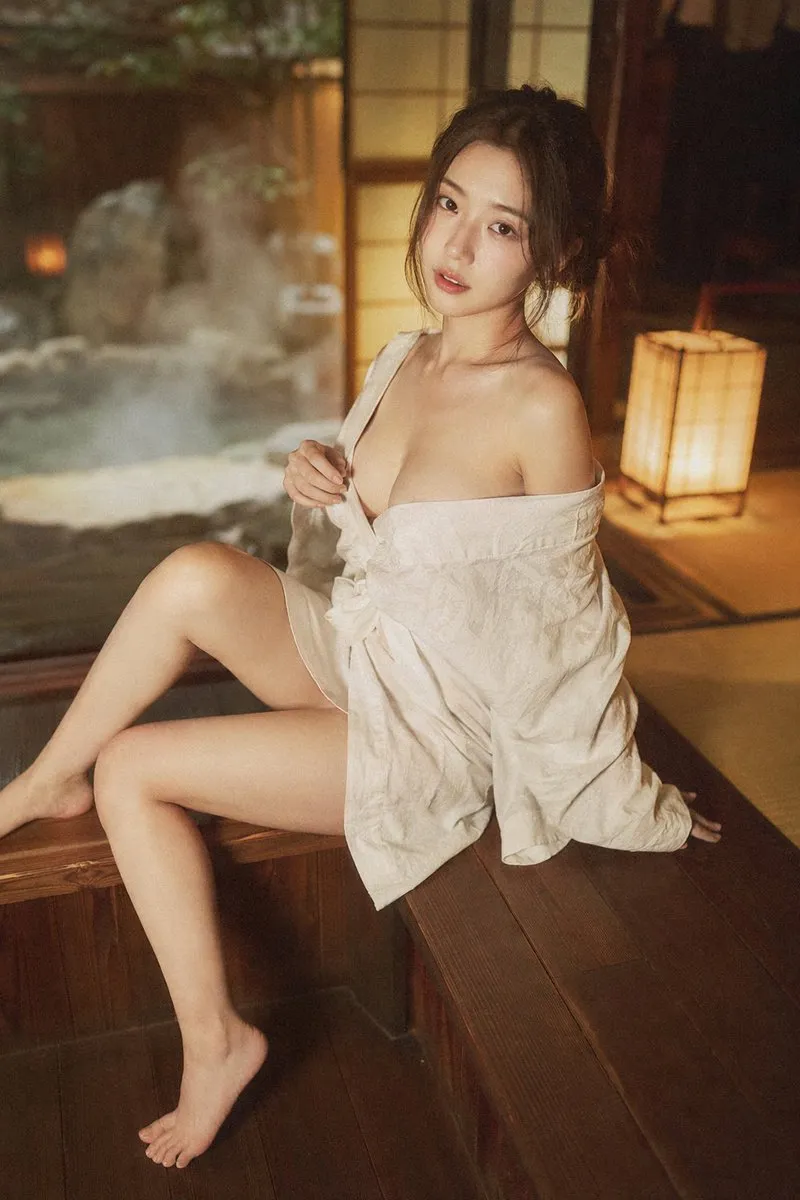
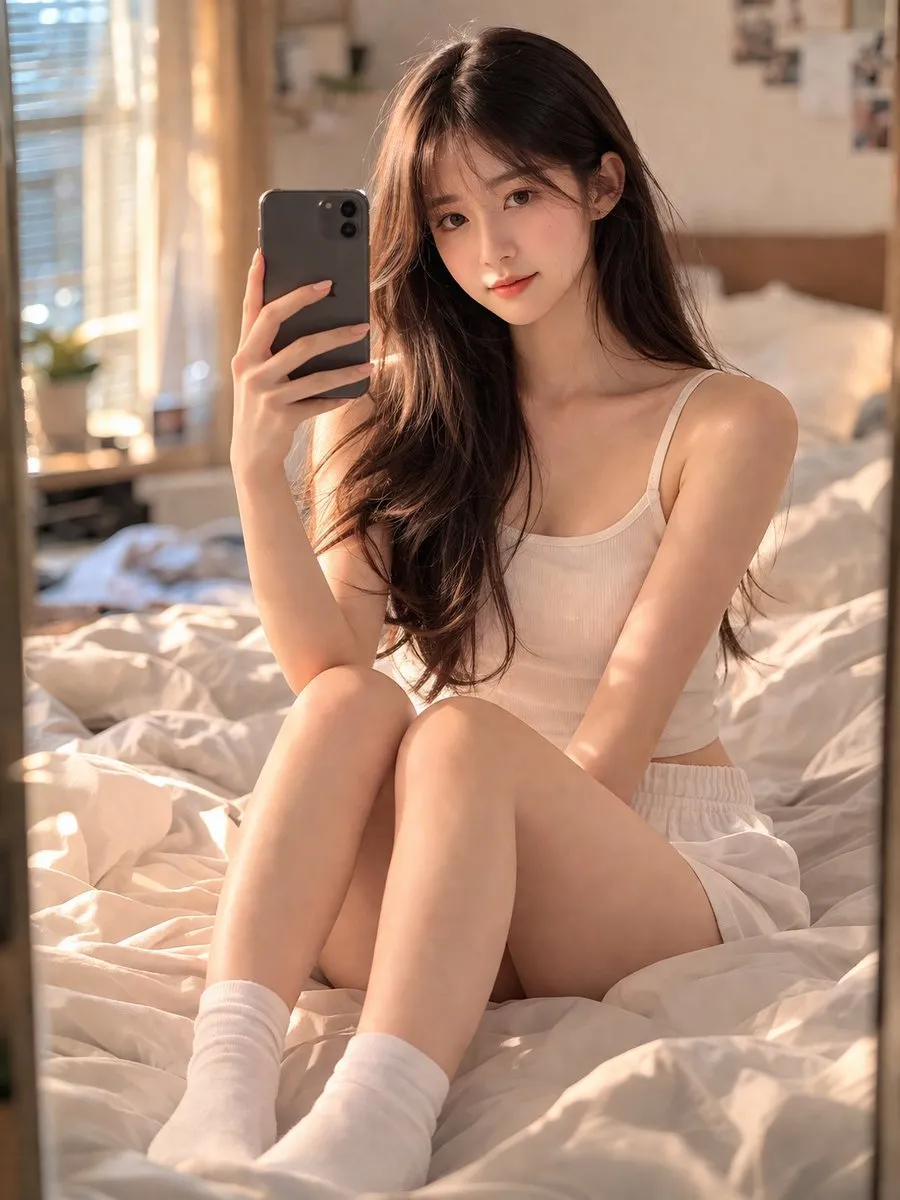
Effective because it specifies a culturally distinct location, natural steam as atmosphere element, soft diffused window light, and the calm emotional tone — all of which give the AI a cohesive creative direction.
Best AI Models for Realistic Photography
GPT Image 2 excels at photorealistic output with accurate skin tones and natural lighting. For stylized editorial photography, Midjourney v6 offers more artistic interpretation. DALL-E 3 handles complex scenes but tends toward illustration.
FAQ — Realistic Photography
What camera settings should I include in AI photography prompts?
Include focal length (24mm, 50mm, 85mm, 200mm), aperture (f/1.4 for bokeh, f/8 for sharpness), and optionally shutter speed for motion effects. Reference specific camera bodies and lenses for the rendering style you want.
How do I get realistic skin tones in AI-generated photos?
Reference specific film stocks known for flattering skin (Kodak Portra 400/800, Fujifilm Pro 400H). Specify soft, diffused lighting and mention "natural skin texture" or "no airbrushing" to avoid the plastic look.
Can AI generate photos that look like they were taken on film?
Yes — specify the film stock, grain characteristics, and scanning method. "Shot on Kodak Gold 200, scanned on Noritsu, visible grain, slightly lifted blacks" produces convincing analog aesthetics.
What's the difference between portrait and street photography prompts?
Portrait prompts focus on subject isolation (shallow DOF, controlled lighting, posed composition). Street photography prompts emphasize candid moments, environmental context, wider lenses, and documentary lighting conditions.