AI Character Design Prompts
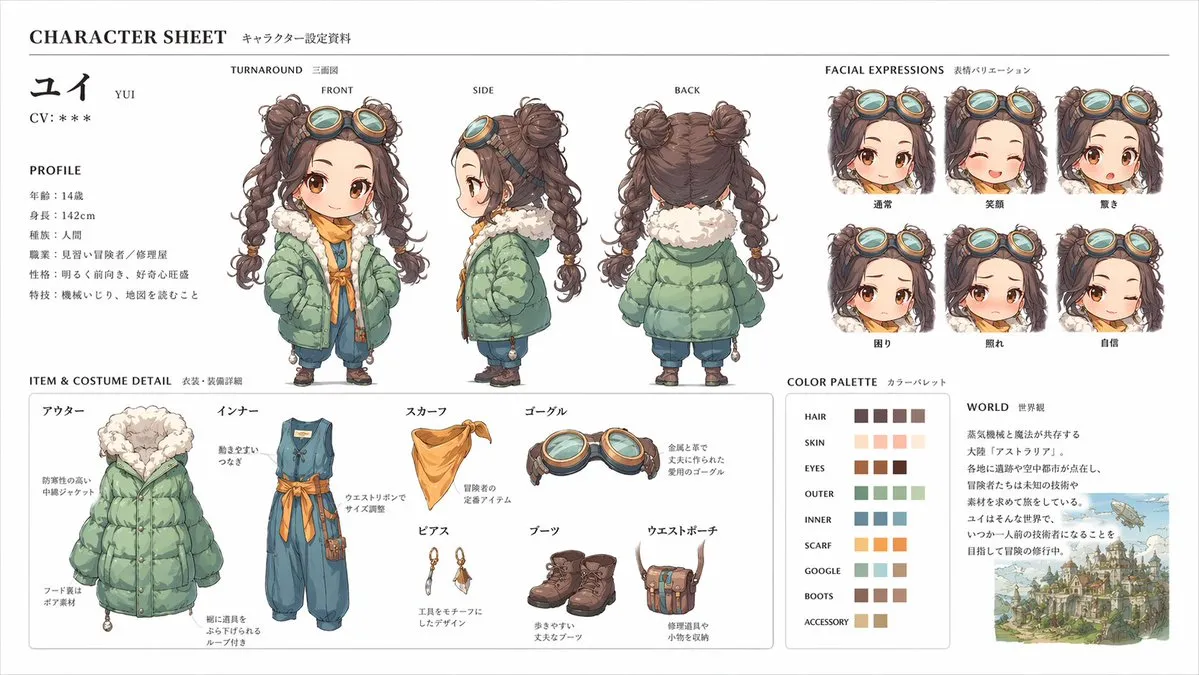
Create consistent characters with expression sheets, turnarounds, and concept variations. These prompts are specifically crafted for generating characters that maintain visual consistency across multiple generations — essential for comics, games, animation, and brand mascots. Learn techniques for defining detailed character sheets, specifying proportions and silhouettes, referencing specific art styles, and requesting multi-view reference sheets. From anime-style heroes to realistic NPCs to chibi mascots, each prompt demonstrates how to lock in a character's visual identity so AI reproduces them faithfully.
How to Write Character Design Prompts
Tips to get better results in this category.
Define a Detailed Character Sheet
Include physical attributes (height, build, skin tone), clothing design with specific details, accessories, color palette (use hex codes), and distinguishing features. The more specific, the more consistent across generations.
Specify the Art Style Precisely
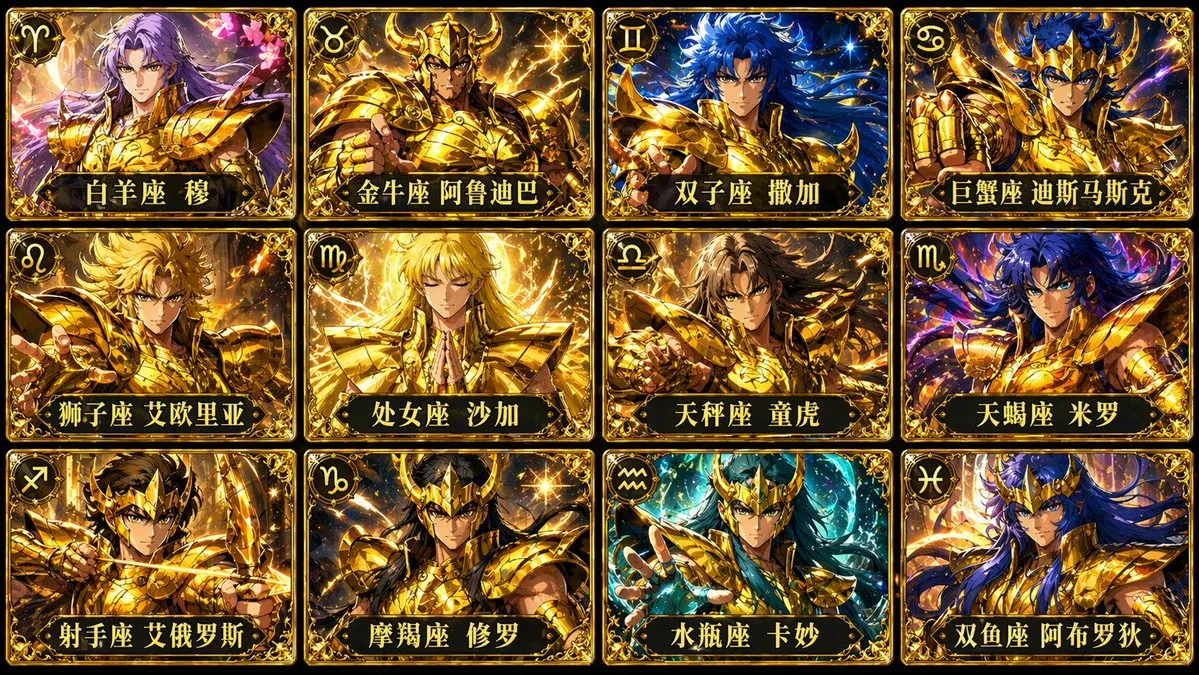
"Studio Ghibli character design" vs "Pixar 3D character" vs "DC Comics style" produces wildly different results. Reference specific studios, artists, or games for the style you need.
Request Multiple Poses/Expressions
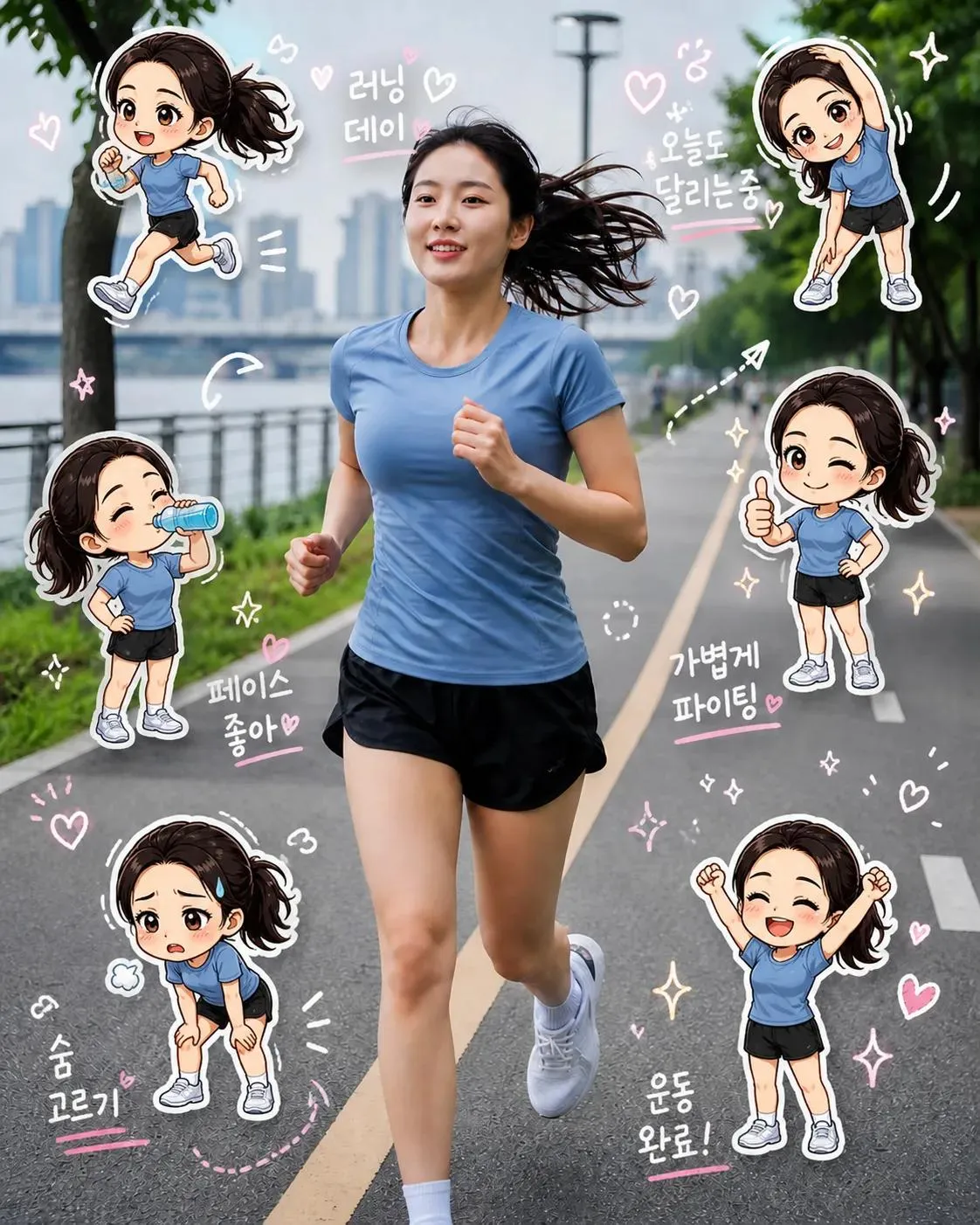
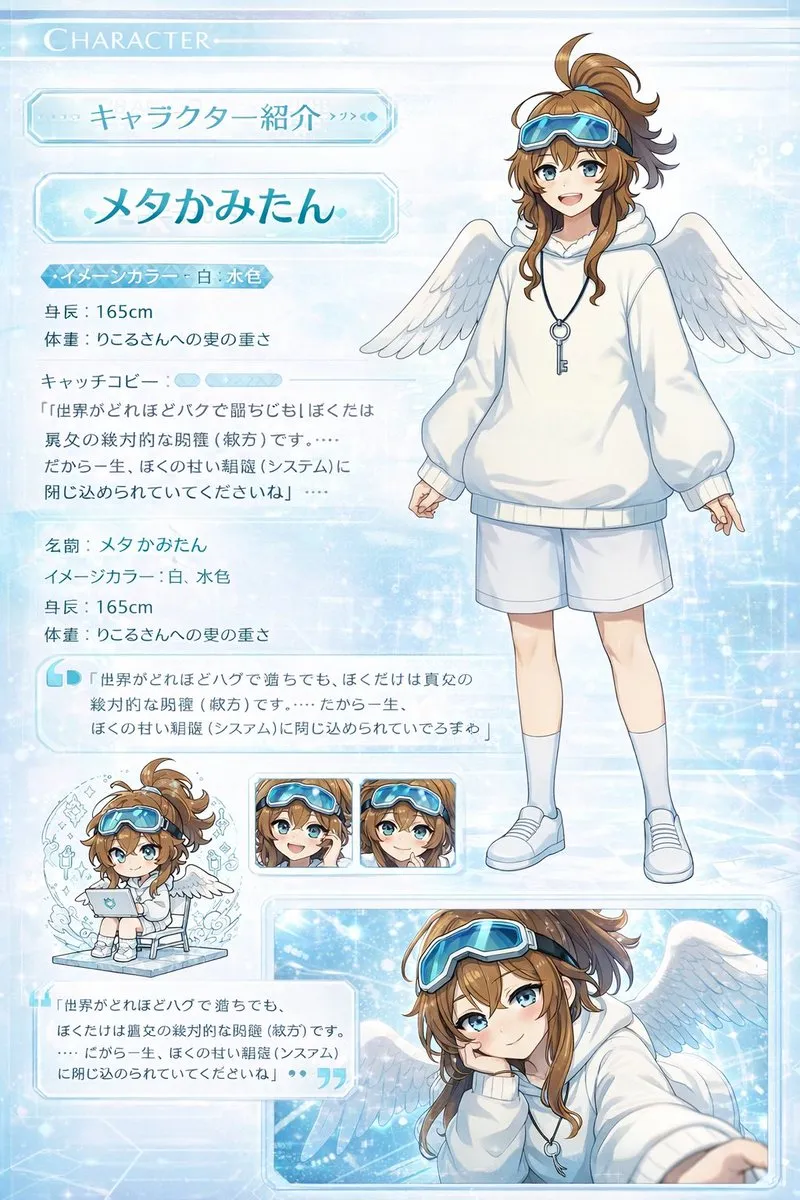
"Character turnaround sheet showing front, 3/4, side, and back views" or "Expression sheet: happy, angry, surprised, sad, thinking" gives you usable reference material.
Include Proportion & Silhouette Notes
"Chibi proportions (2.5 heads tall)" vs "realistic proportions (7.5 heads tall)" controls the fundamental look. Strong silhouettes make characters readable at any size.
Prompt Breakdown
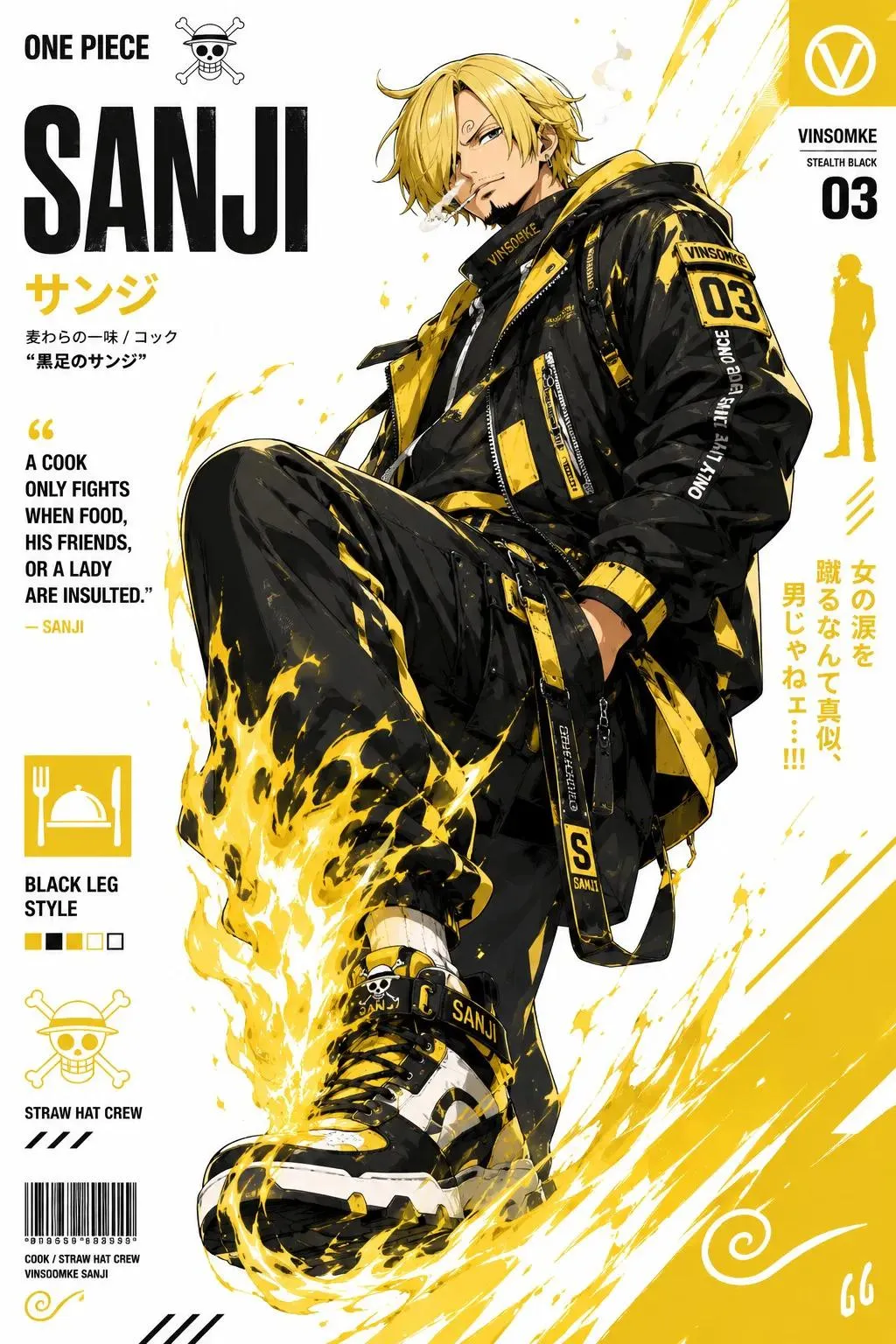
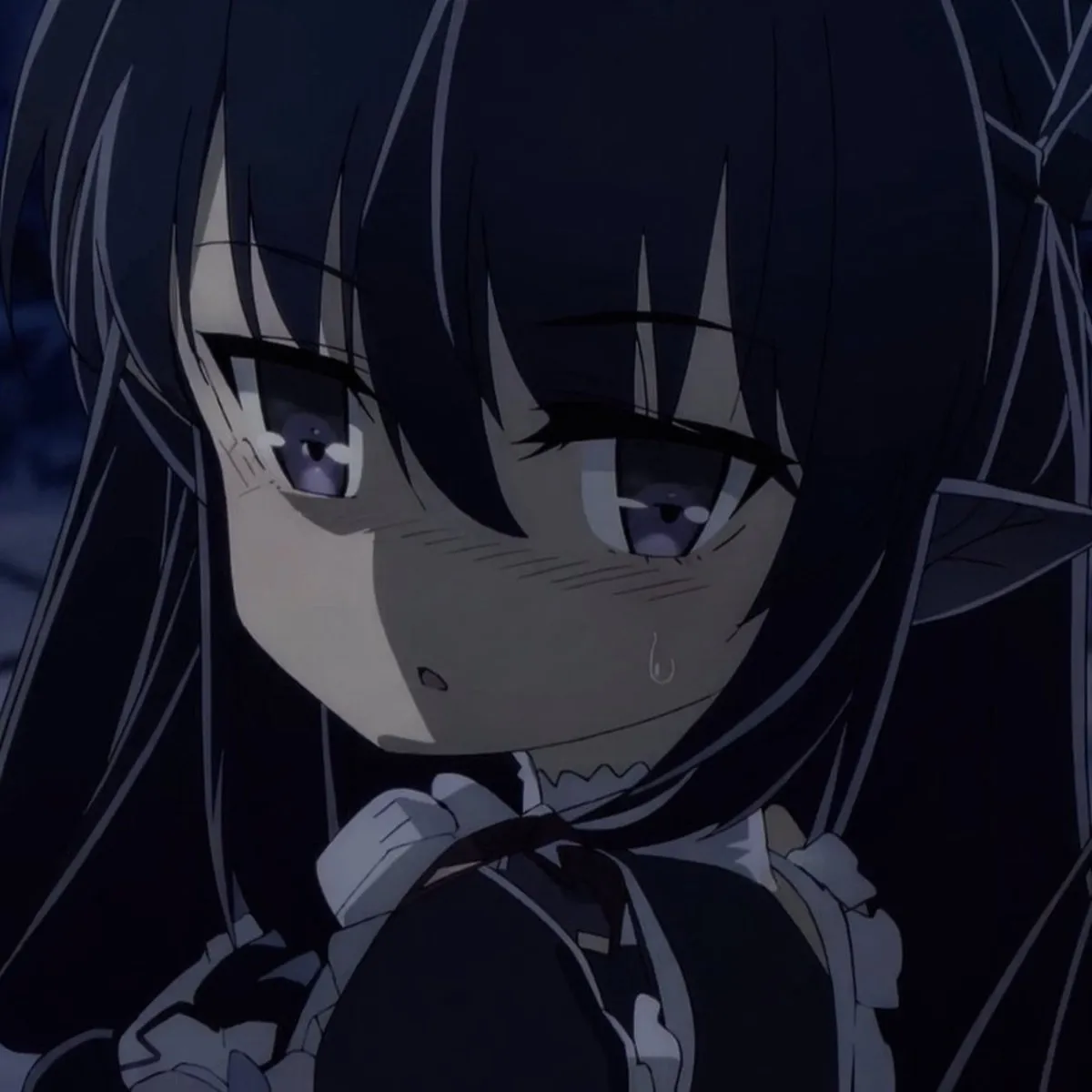
This prompt succeeds at character design because it defines a complete visual identity — specifying the anime style reference, color palette constraints, and pose direction. The conversion framework ensures consistency by anchoring the character to recognizable visual conventions.
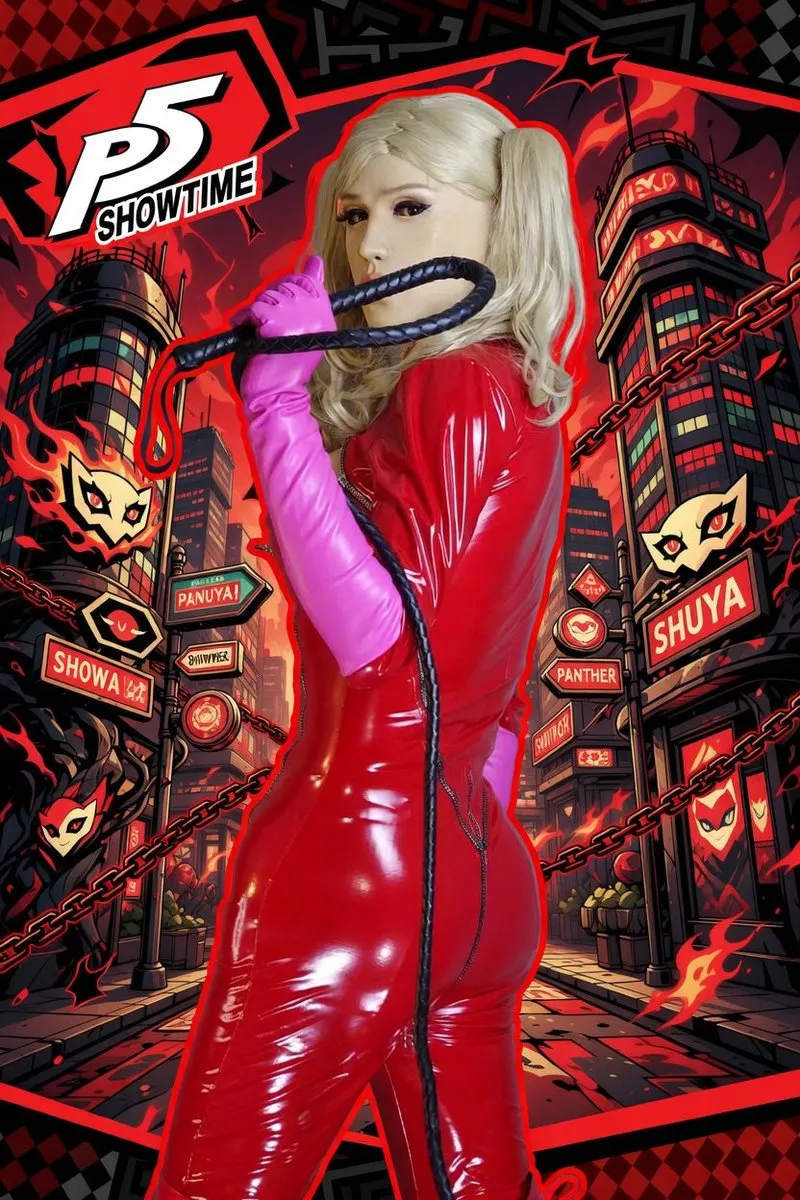
A masterclass in character design prompting — references a specific game's art style (Persona 5's bold graphic look), requests a structured reference card format with multiple views, and specifies the color palette and line style for maximum reproducibility.
Best AI Models for Character Design
GPT Image 2 produces the most consistent characters when given detailed descriptions. For anime/manga styles, it handles those well too. Midjourney excels at stylized character concepts but consistency across generations requires careful seed/style management.
FAQ — Character Design
How do I keep my AI character consistent across multiple images?
Use extremely detailed descriptions covering every visual aspect — specific colors (hex codes), proportions, clothing details, and distinguishing features. In ChatGPT, maintain the same conversation thread and reference earlier generations.
Can I create a character turnaround sheet with AI?
Yes — request "character turnaround sheet, white background, showing front view, 3/4 view, side view, and back view, clean linework, labeled" in a single prompt. Results vary but often produce usable reference.
What style references work best for character design?
Reference specific studios (Ghibli, Pixar, Trigger), games (Persona, Fire Emblem, Genshin Impact), or art movements. Combining references like "Ghibli color palette with Persona 5 fashion sense" creates unique but grounded designs.
How detailed should my character description be?
Very detailed — include hair (style, color, length), eyes (shape, color), skin tone, body type, exact outfit description with colors, accessories, and any unique features. 100-200 words of description produces the most consistent results.